
Compassionate guidance and support for dogs and their guardians
When most people think about dog training, they picture a human teaching a dog how to behave.
At KAHU, we see it a little differently.
We believe training is a two-way conversation. It's just as much about humans learning to understand their dogs as it is about dogs learning to understand us.
Rather than simply teaching behaviours, we're building a shared language - a communication channel that helps both ends of the lead navigate life together with greater trust, clarity, and confidence.
Foundational cues such as sit, down, leave it, and recall are important, but they're only the beginning. These skills help open the communication channel between you and your dog, creating opportunities for deeper understanding and connection. From there, the learning never really ends — for either species. Dogs are constantly learning from us, and we have endless opportunities to learn from them. That's one of the most rewarding parts of sharing our lives with them.

Free Guidance
Through practical advice, behavioural insights, and compassionate guidance, we explore the reasons behind common canine behaviours and help you see the world from your dog's perspective.
Whether you're facing a specific challenge or simply want to deepen your understanding, our free resources are designed to support you in creating a calmer, more connected partnership with your dog.
Group Support
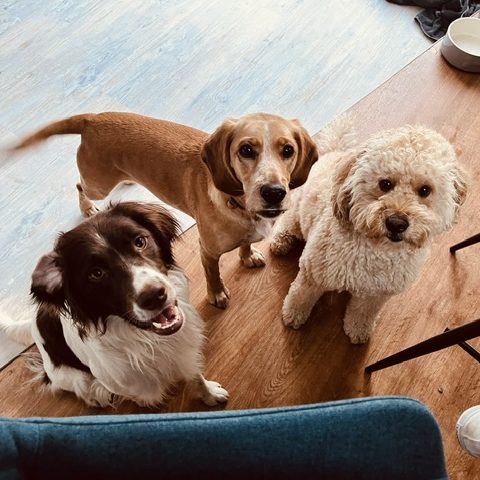
Our group training sessions support both dogs and their humans in a safe, friendly environment.
We keep groups small and learning thoughtfully paced, focusing on respectful interactions so everyone feels supported and set up for success.
Whether you’re building everyday skills or strengthening focus around distractions, our sessions help you grow together as a team.
1-to-1 Support
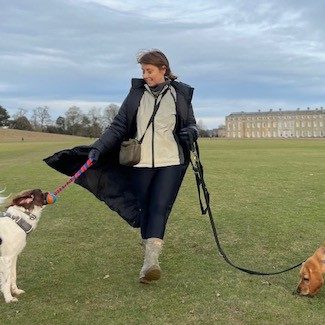
Every dog and human is different, which is why our 1-to-1 support sessions are tailored to you.
We meet you where you are and help you grow together at a comfortable, sustainable pace.
Whether you’re raising a puppy, navigating adolescence, supporting an adult or helping a rescue settle in, we offer guidance tailored to your dog’s needs - so you’re never alone on your training journey..
Have you ever caught yourself saying things like:
"She hates other dogs."
"He's doing it for attention."
"She gets so excited when people visit the house."
"He knows exactly what to do, he's just being stubborn."
"She can hear me, she's just choosing not to listen because she has selective hearing."
These comments are often made light-heartedly and without any harm intended. However, they can reveal a common challenge in human-dog relationships: expecting dogs to think and respond in the same way humans do.
The reality is that dogs experience the world very differently from us.
Take the phrase, "She can hear me, she's just choosing not to listen because she has selective hearing." It's a common thing to say when our dog doesn't respond to a cue, especially if they reliably respond in other situations. It can feel as though they are deliberately ignoring us.
But from a dog's perspective, there is usually much more going on.
Perhaps the environment is more distracting than the situations in which they previously learned the behaviour. Perhaps they are overwhelmed, excited, worried, or focused on something they find highly important. Maybe they don't yet fully understand what we're asking in that particular context, or perhaps the skill simply needs more practice before it becomes reliable.
Rather than seeing the situation as a dog choosing not to listen, we can become curious about what might be making it difficult for them to respond. When we shift our focus from blame to understanding, we gain valuable insight into our dog's experience and can better support them to succeed.
By looking beyond the behaviour and seeking to understand the reason behind it, we can respond with empathy and clarity. This not only helps address the behaviour itself but also strengthens the relationship we share with our dogs.
Have you ever caught yourself saying things like:
"She hates other dogs."
"He's doing it for attention."
"She gets so excited when people visit the house."
"He knows exactly what to do, he's just being stubborn."
"She can hear me, she's just choosing not to listen because she has selective hearing."
These comments are often made light-heartedly and without any harm intended. However, they can reveal a common challenge in human-dog relationships: expecting dogs to think and respond in the same way humans do.
The reality is that dogs experience the world very differently from us.
Take the phrase, "She can hear me, she's just choosing not to listen because she has selective hearing." It's a common thing to say when our dog doesn't respond to a cue, especially if they reliably respond in other situations. It can feel as though they are deliberately ignoring us.
But from a dog's perspective, there is usually much more going on.
Perhaps the environment is more distracting than the situations in which they previously learned the behaviour. Perhaps they are overwhelmed, excited, worried, or focused on something they find highly important. Maybe they don't yet fully understand what we're asking in that particular context, or perhaps the skill simply needs more practice before it becomes reliable.
Rather than seeing the situation as a dog choosing not to listen, we can become curious about what might be making it difficult for them to respond. When we shift our focus from blame to understanding, we gain valuable insight into our dog's experience and can better support them to succeed.
By looking beyond the behaviour and seeking to understand the reason behind it, we can respond with empathy and clarity. This not only helps address the behaviour itself but also strengthens the relationship we share with our dogs.
Body language
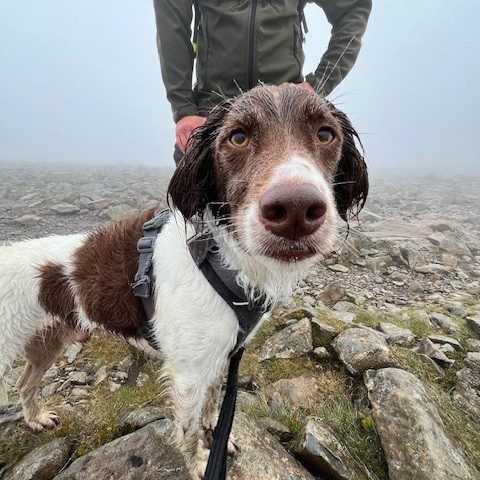
Dogs speak primarily through body language, not words. They watch how we move, stand, breathe, and use our eyes. Calm, consistent body signals are far more powerful than repeated verbal cues.

Emotions
.Dogs are highly attuned to how we feel. Our tone, posture, and energy can either reassure or confuse them. When we stay grounded and clear, dogs feel safer and more able to listen and learn.
Clarity
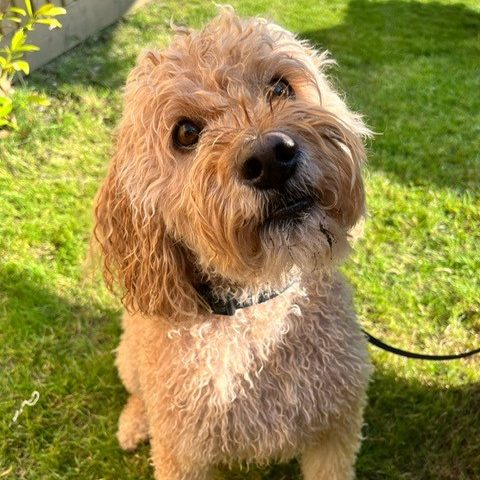
Consistency in how we communicate, through gestures, timing, and expectations, helps dogs understand us. Mixed messages cause uncertainty. Clarity creates trust and reduces stress for both sides.
Contact us
Please fill out our short form and we will be in touch as soon as possible.
We are based in Hassocks, West Sussex. We cover the surrounding areas in person and further afield online.